





Before anything else in the permitting process, one question decides your cost, your timeline and the studies you will need to commission: which category does your activity fall into? Get it wrong and you either overspend on studies you never needed, or lose months when a reviewer reclassifies you upward.
Why the category matters more than anything else
Saudi environmental permitting is tiered by potential impact. The tier your activity sits in determines three things at once:
- What you must submit, a simple declaration, or a full impact assessment with field baseline data
- How long review takes, weeks at the lower tier, months at the upper
- What it costs, the studies, not the permit fee, are the real expense
The three tiers in practice
Category 1, lower impact
Small commercial and service premises: retail units, offices, small workshops, clinics. The route is simplified, activity details, site information and basic supporting documents. Most facilities here are surprised there is any requirement at all, and only discover it when a municipal or commercial licence renewal is blocked.
Category 2, moderate impact
Medium manufacturing, food processing, larger workshops, construction projects above a threshold. This tier usually requires an environmental management plan and, depending on the activity, supporting measurement data. It is the tier most often misdeclared, operators classify themselves as Category 1 based on floor area or headcount, when the classification actually follows the process and its emissions.
Category 3, higher impact
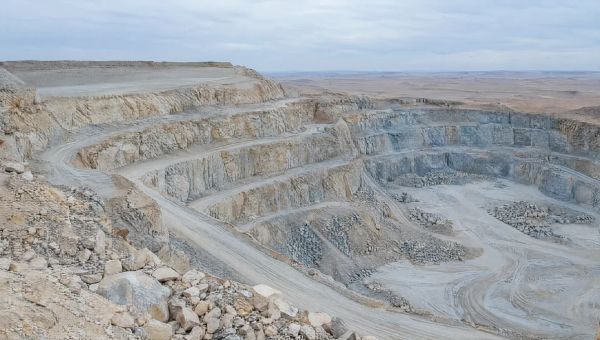
Heavy industry, petrochemicals, cement, power generation, hazardous waste treatment, quarrying. A full Environmental Impact Assessment is required, with field baseline surveys, dispersion or hydrological modelling where relevant, and a detailed mitigation and monitoring programme.
The most expensive mistake we see is not under-preparing. It is preparing thoroughly for the wrong category, then having to start again when the reviewer disagrees with the classification.
What actually determines your category
Not your company size, and not your building. Classification follows the activity itself:
- The nature of the process and what it emits, discharges or generates
- Production capacity, measured against defined thresholds
- The waste streams produced, and whether any are classified hazardous
- Site sensitivity, proximity to residential areas, coastline, protected habitat or groundwater
- Whether the activity appears on a scheduled list that fixes its category regardless of scale
That last point catches people out. Some activities are assigned a category by name, so capacity arguments do not apply.
Two failure modes, both costly
Declaring too low is the common one. The application is rejected or reclassified, you commission the studies you avoided, and you have lost a review cycle, often a quarter.
Declaring too high is rarer and quieter. Nobody rejects it. You simply pay for baseline surveys and modelling your activity never required, and nobody tells you.
How BluePrint approaches it
We classify before we quote. A short scoping call covering your activity, capacity and site location is usually enough to place you accurately, and that determines the scope of everything after it. If your activity sits near a threshold, we will tell you, and tell you what the reviewer is likely to conclude, so there are no surprises at submission.
Not sure which permits apply to you?
Book a free consultation and we’ll map exactly what your activity requires.
Book a free consultation